



The startup plank gives the summit a business-facing outcome beyond communiques, especially for founders looking at cross-border pilots. The development is important because it connects policy signals with decisions companies and investors need to make now, not in another summit cycle.
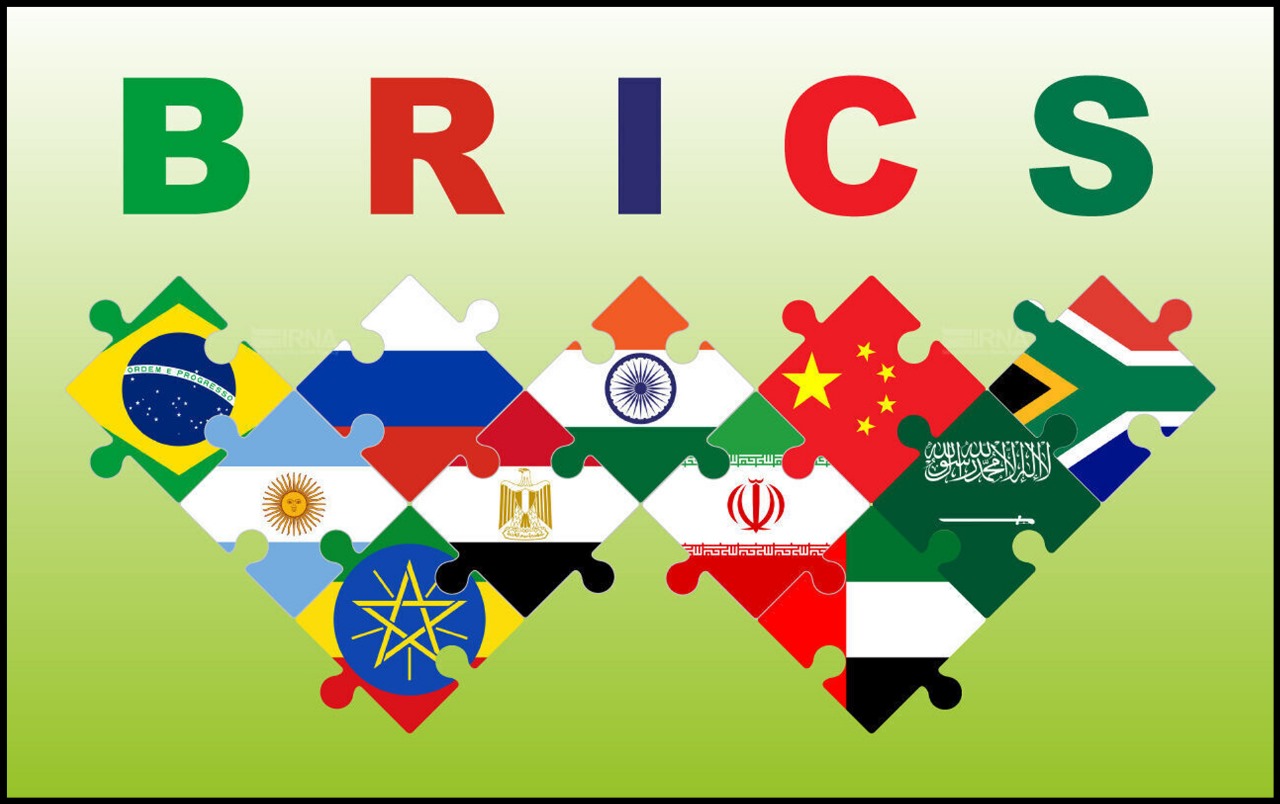
The New Delhi summit is landing at a moment when trade, energy, payments and geopolitics are tightly linked. For BRICS members, the practical question is whether a larger grouping can turn shared concerns into useful business architecture. BRICS leaders were expected to finalise an incubator network and startup innovation fund. The network is meant to connect national agencies, incubators and startups. That combination gives the story a direct read-through for capital flows, trade planning and boardroom risk.
What changed
A logistics and supply-chain cooperation framework is also on the table. The initiatives target practical collaboration across an expanded BRICS membership. The detail that matters is not only the announcement itself, but the direction of travel: governments and markets are preparing for a world where supply chains, finance rails and energy security have to be managed together.
Why it matters for business
For executives, the immediate takeaway is discipline. Companies exposed to imports, dollar funding, shipping lanes or AI infrastructure costs will need clearer contingency plans. The winners are likely to be firms that can secure inputs, finance working capital locally where possible and keep pricing power when volatility rises.
For investors, the story supports a selective approach. A high headline score does not mean every related stock or sector benefits equally. It does mean the theme has enough urgency to move sentiment, especially where earnings, policy support and real demand already line up.


